

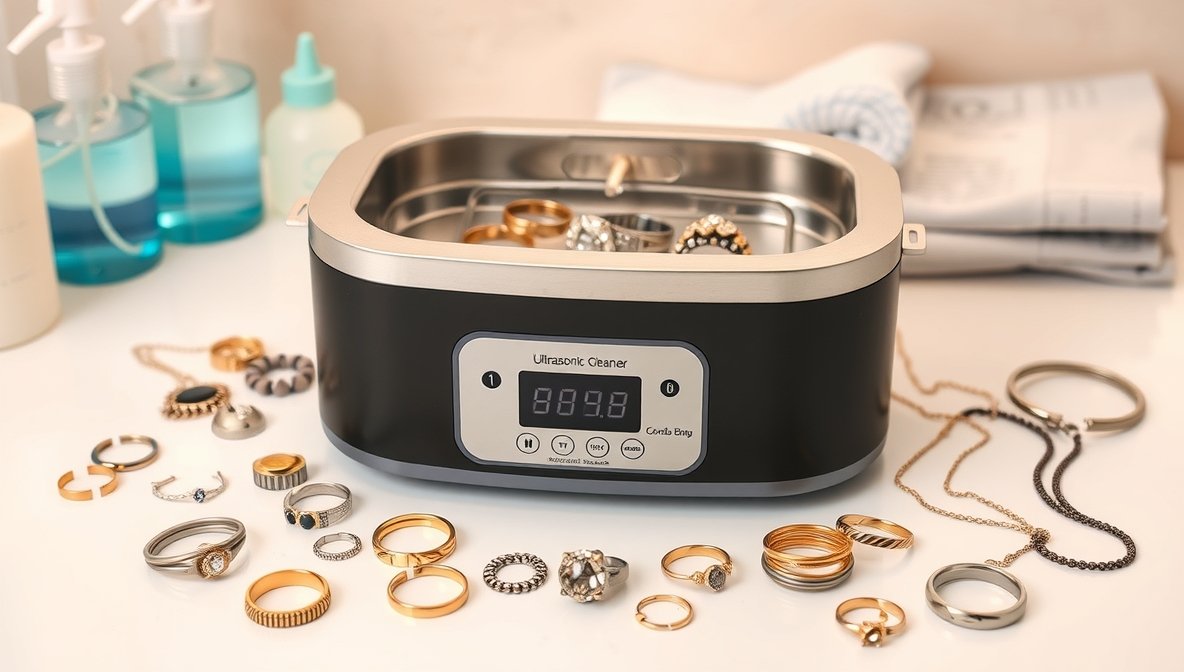
Keeping jewelry clean and shiny can be challenging, especially when dealing with dirt or oils that hide in tiny crevices. That’s where an Ultrasonic Jewelry Cleaner comes in. This powerful device removes grime, restores brilliance, and keeps your favorite pieces looking brand new. Let’s explore how it works, why it’s effective, and how to use it safely.
What Is an Ultrasonic Jewelry Cleaner?
An ultrasonic jewelry cleaner is a small electronic machine that uses ultrasound waves and water to clean jewelry. When activated, it creates millions of microscopic bubbles that remove dirt, oils, and other contaminants from surfaces and hidden corners. As the bubbles burst, they lift away debris, leaving your jewelry spotless and shining.
Unlike manual cleaning, this process is non-abrasive and safe for most types of jewelry. It’s ideal for gold, silver, platinum, diamonds, and certain gemstones. However, delicate stones like opals, pearls, and emeralds require extra care.
How Does an Ultrasonic Jewelry Cleaner Work?
When the machine turns on, it produces high-frequency sound waves—typically between 20 kHz and 40 kHz. These waves create vibrations in the cleaning solution, generating cavitation bubbles. As these bubbles implode, they gently scrub every surface, removing dirt without scratching or damaging the jewelry.
The cleaner’s process is fast and efficient. Within just a few minutes, your rings, earrings, or watches can look as if they’ve just come from the jeweler. The combination of heat, vibration, and cleaning solution delivers a deep clean that’s difficult to achieve by hand.
Benefits of Using an Ultrasonic Jewelry Cleaner
Using an ultrasonic jewelry cleaner offers many advantages. First, it saves time. Cleaning manually takes effort, but with this device, your jewelry can be spotless in under five minutes. Second, it provides professional-grade cleaning from home, helping you maintain jewelry value and appearance.
Additionally, it’s eco-friendly since it uses only water or mild detergent. There’s no need for harsh chemicals or polishing cloths. Lastly, the cleaner is versatile—it can also clean eyeglasses, dental retainers, watchbands, and small metal tools.
Step-by-Step Guide to Cleaning Jewelry
To get the best results, follow these steps carefully:
- Fill the tank with warm water and a few drops of mild detergent.
- Place jewelry in the basket, ensuring pieces don’t touch.
- Set the timer—most cleaners take 3 to 5 minutes.
- Start the machine and let the bubbles do their work.
- Rinse and dry with a soft cloth after cleaning.
Always ensure jewelry is completely dry before storing it. This helps prevent water spots or tarnish formation.
Types of Jewelry Safe for Ultrasonic Cleaning
Most metal-based jewelry like gold, platinum, and silver is safe for ultrasonic cleaning. Diamonds and hard gemstones like sapphires and rubies also respond well. However, avoid cleaning porous or delicate stones such as pearls, emeralds, amber, and turquoise.
If unsure, check the jewelry’s manufacturer care guide or consult a professional jeweler. This ensures your items remain safe and undamaged during cleaning.
Choosing the Right Ultrasonic Jewelry Cleaner
When selecting an ultrasonic jewelry cleaner, consider tank size, frequency, and power output. A larger tank is better for bulk cleaning, while higher frequency (above 40 kHz) ensures gentle cleaning for fine jewelry.
Look for features like a built-in heater, adjustable timer, and stainless-steel tank for durability. Compact models are ideal for personal use, while advanced ones suit professionals and collectors.
Cleaning Solution for Ultrasonic Cleaners
Although plain water works well, adding a small amount of jewelry-safe cleaning solution enhances results. Use only mild, non-abrasive liquids. Avoid ammonia, bleach, or alcohol, as they can damage sensitive stones and metals.
For homemade cleaning, mix warm water with a drop of dish soap. This gentle formula removes oil, dirt, and residue effectively without harming the jewelry.
Maintenance and Care of Your Cleaner
To extend your cleaner’s lifespan, regular maintenance is essential. After each use, empty the tank and wipe it dry with a soft cloth. Avoid leaving water or cleaning solution inside for extended periods.
Inspect the machine’s cord and controls periodically. Store it in a dry, cool place away from moisture or heat. Proper care ensures consistent performance and safe operation.
Common Mistakes to Avoid
Many people make simple errors when using an ultrasonic jewelry cleaner. Avoid overcrowding the tank; it prevents effective cleaning. Don’t use harsh chemicals or extremely hot water, as they may damage the jewelry or machine.
Additionally, never clean soft gemstones or costume jewelry unless specified safe. Checking compatibility before cleaning saves money and prevents irreversible harm.
Why Professionals Recommend Ultrasonic Cleaning
Jewelers and professionals prefer ultrasonic cleaning for its precision and consistency. It reaches hidden spots that brushes cannot. Even fine engravings, chains, or prong settings get thoroughly cleaned without risk of breakage.
This method also restores brilliance quickly. As a result, many jewelry workshops and repair centers use ultrasonic machines as part of their standard cleaning process.
Eco-Friendly and Cost-Effective Solution
An ultrasonic jewelry cleaner isn’t just powerful—it’s sustainable. Using water and mild detergents means less pollution and waste. Compared to professional cleaning services, it’s far more affordable in the long run.
Owning one encourages regular cleaning, helping preserve jewelry’s beauty and longevity. This makes it a practical investment for anyone who values their accessories.
Conclusion:
An ultrasonic jewelry cleaner is a smart, modern solution for anyone who wants sparkling, hygienic, and well-maintained jewelry. With minimal effort, it provides professional-quality cleaning right at home. Whether for daily use or occasional care, it’s a device worth having.
FAQs
1. Can I use tap water in an ultrasonic jewelry cleaner?
Yes, you can use tap water, but for better results, warm distilled water with mild detergent works best.
2. How often should I clean my jewelry using an ultrasonic cleaner?
Once every two to three weeks is ideal for regular wear jewelry. Avoid over-cleaning delicate pieces.
3. Can I clean multiple items at once?
Yes, but ensure they don’t touch each other to avoid scratching or dulling the finish.
4. What items should I never put in the cleaner?
Avoid pearls, opals, emeralds, and costume jewelry with glued stones or coatings.
5. Do ultrasonic cleaners remove tarnish?
They help loosen dirt and grime but may not fully remove tarnish. Use a silver polishing cloth afterward for best results.